Robert Plant and Alison Kraus – Just one album Raising Sand (2007). Of course, Robert was the singer in Led
Zeppelin (who I have bever bought) and this album is quite different, almost
Americana; Alison was known as a bluegrass singer. I quite like the record, but I feel it is
missing a bit of edge, it is really quite laid back and sadly most of the songs
aren’t really strong enough. So, a
pleasant listen but not in my top albums.
Portishead – this Bristol band almost single-handled created the trip hop genre; they formed in 1991 – Adrian Utley and Geoff Barrow created the music which was enhanced and completed by the remarkable vocals of Beth Gibbons. Their album Dummy, released in 1994 was an instant hit and featured hugely in the BBC series This Life, a British sort of Friends only more serious. Anyway, the album is brilliant – very moody and the beats are amazing, but as always it is Beth’s haunting vocals that make it exceptional. Hard to pick a favourite track but ‘Wandering Star’, ‘Sour Times’ and ‘Glory Box’ stay in my brain longer than most. Their second album simply entitled Portishead came out in 1997; a bit harder in feel, with the vocals more pronounced really, but another stunning album. They really defined their sound with this record, especially on tracks – ‘All Mine’, Half Day Closing’ and ‘Western Skies’ – though the album should really be listened to as a whole piece. They toured, especially festivals for the remainder of the decade. But then they fell almost silent, releasing the occasional song on their website and had practically disbanded, with always the hint in the air of new material, for over ten years. They did release one live album…PNYC from a show they did in New York in I think 1998, which is pretty good; slightly expanded versions of songs from their two albums – nothing new. We then had to wait for almost a decade until 2008 for anything new. Third was a bit of a departure -a couple of tracks much louder and drums featured on most songs; especially ‘Machine Gun’ which was very loud. But somehow the album didn’t have the appeal of their first two. No other songs really stood out for me. And so far nothing since…constant rumours of a new album….but nothing materialises.
Pink Floyd – well, what can you say about this band? I first saw them in 1967 at Stowmarket…I got
blind drunk and was blown away by them.
Then again when they did The Wall live at Earls Court. I used to have almost all the early albums,
but somehow I have never bothered to get them on CD…may still get them someday…who
knows
We start with a film score Obscured By Clouds (1972) – this was the album they made a year before their first Masterpiece…and pretty good it is too; their signature (post Syd) sound was settling in; rather than the histrionics and experimentation of earlier albums they had with and just after Syd left the band – or rather the band left Syd. A lovely lyrical album with that instrumentation which lulls you beautifully and before you know it the album is finished and you want to hear it again. Best tracks are the title track, ‘What’s the Uh Deal’ and ‘Stay’. They took a break from recording their next album to write and record Obscured…and in some ways the albums are similar. Then came their first and possibly greatest masterpiece – The Dark Side of The Moon (1973) – it soon went to number 1 and has sold over 45 million copies since then. It is usually acclaimed as their finest album. There is a cohesion to the album, although not exactly a concept album, it tends to deal with the pressures of touring and the resulting madness (in part) of Syd Barrett, who had left the band five years earlier. Not a poor song on the record really, but if I must choose – ‘Breathe’, ‘Us and Them’ and ‘Eclipse’. It was truly and probably their last real group song-writing album too, with keyboardist Rick Wright at least co-writing about half the songs. Roger Waters provided many of the lyrics, and he would go on to be the main songwriter, whether through overwhelming force of his character or talent is debateable. They followed this with two years later with Wish You Were Here – an album devoted to the memory of Syd; all 5 tracks written at least in part by Roger. The opening track ‘Shine on You Crazy Diamond’ continues as the closing track, both around 12 to 13 minutes long, it may well be their best single piece of music and is a collaboration between Rick, Dave and Roger, which has rarely been repeated. The songs also reflect the band (or Roger’s) dissatisfaction with the demands of the music business itself (biting the hand that feeds them maybe). The band were by now absolute superstars and could do exactly as they liked, which thousands of other artists must have envied. The earlier hints of paranoia in Roger’s writing became more obvious with ‘Welcome To The Machine’ and ‘Have A Cigar’. But maybe the overriding brilliance of the record is down to the piercing and poignant dripping guitar notes of Dave Gilmour, especially on the opener, when it is 10 minutes before Roger starts to sing the song. In some ways this is my favourite Floyd record. Animals followed and I never really liked it, it seemed harsh and musically not as interesting, and the lyrics (all by Roger) just bored me – so I have never bought it on CD. So, no review this time. 1979 however saw the release of their third Masterpiece The Wall. Almost a solo effort, at least in the conception and song-writing – this is a monster of a concept double album and is best listened to at one sitting. Almost impossible to pick out best tracks because it is really all of one piece – but of course, ‘Comfortably Numb’ stands out, but I also like ‘Mother’ and ‘The Thin ice’ and later ‘The Trial’ and ‘Waiting For The Worms’ are incredible. Much later they released (for the money I expect) a live recording of the album – maybe the one I saw; they only did a few performances – called Is There Anybody Out There. I bought it, partly for the lavish packaging and as a souvenir. The live version is pretty much the same as the studio one, except for a new intro and outro. So, I play it now and again, for the memories. Their next studio album was really the straw which broke the camel’s back, as Roger’s hatred of almost everything reaching boiling point. The Final Cut (1983) was really the final cut that this incredible band recorded; Rick Wright was side-lined to be a paid session player; Dave Gilmour reconciled himself to be a non-contributing guitar player and the drummer drummed on regardless. After this album Roger left the band for good. The album itself has a few good moments but really is poor, filled as it is with Roger’s almost snivelling laments; to be honest they should have called it a day after The Wall. The band did limp on, and made 2 more albums, which I bought, but which didn’t really excite me at all. I haven’t been tempted to buy them on CD. I did however buy their (to date) latest offering Endless River. This is a collection of what can best be called ‘leftovers’, various noodlings from their long career which never made it into real pieces or on to albums. A pretty pointless exercise, except for the revenue it must have made. My last offering in one of the many greatest hits Echoes…which does cover their early albums quite well; fave tracks – ‘Astromine Domine’, ‘Set The Controls For The Heart Of The Sun’ and ‘See Emily Play’. A great band, who, had they been able to settle their internal differences could have gone on and on, instead of barely making it through the early eighties. Oh Well….of course Roger has gone on to make a handful of excellent albums in the complete Pink Floyd style (see W) but even he makes a fortune by touring his (admittedly superb) version of their classic albums.
Alan Parsons Project – I had heard the occasional track, especially
by Colin Blunstone (see B) and knew that Alan was initially a record producer
and engineer. He made a series of albums
with guest session players and singers; these were concept albums – true
prog-rock in a way. I think I may have
bought a couple on vinyl years ago. I
have a double album – The Definitive
Collection – a compilation. Not bad
but ultimately a bit boring, maybe as this collection lacks cohesion. Anyway, a pleasant listen but hard to
pinpoint any tracks as distinctive.
Gram Parsons – another dead hero I am afraid. Gram’s real name was Ingram Connor 3rd,
and he was from a wealthy family, but in the Sixties played in a number of
bands, including one album (Sweetheart Of The Rodeo) with The Byrds (see B). He
was a notorious drug addict and hung out with Keith Richards, who wanted him to
join The Stones. However, he drifted
around and released 2 solo albums before his early death in 1973 at age
26. He had a soulful voice and wrote
beautiful songs in an Americana style.
He has influenced many later artists, but was fairly unknown during his
life. I have his 2 albums on one CD GP/Greivous
Angel. From ‘73 and the latter posthumously released in 1974. Almost timeless melodies and playing, and a
sweet voice. But somehow it seems very
ephemeral and just glides past my consciousness. Still – favourite songs are ‘We’ll Sweep Out
The Ashes In The Morning’, ‘The New Soft Shoe’ and ‘Love Hurts’. Many years later, in fact in 1999, his one-time
lover and co-singer Emmylou Harris (see H) managed to persuade a few players to
record a tribute album to Gram – Return Of The Grevious Angel. Featuring amongst others Elvis Costelloe,
Lucinda Williams, The Pretenders, David Crosby and Steve Earle and produced by
Emmylou who sings on a couple of tracks, the album recreates songs Gram wrote
or sung on. A very nice compilation and
the varied singers give it enough to keep you interested. Fave tracks are – ‘She’ (Emmylou), ‘High
Fashion Queen’ (Steve Earle and Chris Hillman) and ‘Hickory Wind’ (Gillian
Welch).
Tom Petty – One of the first MusiCassettes I bought was in 1976 – FM; it was a compilation of American FM Radio tracks, mostly from American albums not readily available in England at that time. The one that I liked best was ‘American Girl’ by Tom Petty and the Heartbreakers. I then saw an advert for Tom playing live at Hammersmith Odeon in a couple of days’ time. I went and saw him and was blown away; knowing only the one song and Tom having just the one album out, I was singing along to every song’s chorus and it was really one of the best concerts ever. That first album was self-titled Tom Petty and The Heartbreakers released also in 1976 and I still love it; it sounds fresh and to the point even now – basically it is pretty straightforward rock and roll, but with Tom’s sneering, almost Dylanesque vocals adding the required amount of attitude the album really rocks. Best songs ‘Breakdown’, ‘Luna’ and of course ‘American Girl’. A great start, which he followed up with You’re Gonna Get It in 1978. Not such an immediate album but not bad at all. Best songs – ‘When The Time Comes’, ‘Listen To Her Heart’ and ‘Baby’s A Rock’n’Roller’. Much better was his third Damn The Torpedoes (1979); much better songs somehow, or is it something else which makes you love one album and not another? Who knows? The first three songs are brilliant ‘Refugee’, ‘Here Comes My Girl’ and ‘Even the Losers’ but there isn’t a poor song on the record. This was the big breakthrough album for Tom and the Heartbreakers, where they finally became superstars. Next was Hard Promises (1981). Another good record, though for me it was a slight disappointment after Torpedoes…still I quite like ‘The Waiting’ and ‘Nightwatchman’. I used to have all his records (almost) on vinyl but am still catching up on CD. My next is Southern Accents (1985) which contains 3 songs co-written by Dave Stewart (of Eurythmics) who also co-produced these tracks. Stewart’s style is evident and is pretty good really; it seems to add a certain change of style, which was maybe coming anyway. Best songs are ‘Don’t Come Around Here No More’, ‘Spike’ and ‘The Best Of Everything’. By now the band were moving into a more conventional rock sound, maybe losing that radical edge along the way. Tom also dropped the band for a handful of solo albums. I tended to stop buying his albums, but did occasionally. Next is 1991s ‘Into the Great Wide Open’. This seems much better, more focused, better songs – the sound is now much less ‘rock’n’roll’ and more commercial too; Tom’s voice is crystal clear and the production superb; Jeff Lynne again, who seems to get the best sound from almost everyone he produces. Fave tracks are the hit single ‘Learning To Fly’, ‘Two Gunslingers’ and ‘All Or Nothing’. I don’t know why but I stopped buying Tom’s records around this time – maybe just too many others to listen to. But my last by him was a solo effort – though impossible to tell, as it sounds very similar to his other albums – Wildflowers (1994). I may get round to the others someday. But Wildflowers is an okay album too, though it doesn’t exactly excite me – best songs are ‘Time to Move On’, ‘It’s Good To be King’ and ‘Crawling Back To You’. And that is almost it. Tom and the Heartbreakers shared almost a year of tours with Bob Dylan, and I have a handful of bootleg concerts from that tour. Of Course, Tom made two records with the Travelling Wilbury’s (see T). I also have a double album of hits Anthology…..which is brilliant, though, like so many artists, I really love the early songs before they became Superstars. Tom died far too early at just 66…that was an incredible 5 years away…how time flies.
Andrew Loog Oldham – a complete amateur he somehow became record
producer and part manager of The Rolling Stones (see R). He created The Andrew Oldham Orchestra
– which was a changing rota of session players as a sideline for various
recordings. The most famous of which was
The Rolling Stones Songbook (1966) which I bought – and was quite
disappointed by. Orchestral versons of
Stones numbers – quite boring really.
Roy Orbison – No idea why I have only 2 albums by Roy; I remember him from the 60’s and loved him then and right up to his album with The Travelling Wilburys (see T). Still, there it is – first up is King Of Hearts (1992) – which is a posthumous album produced from demos by Jeff Lynne, and very good it is too. Roy, who had a string of hits in the 60’s and a quieter 70s and 80s had a late career comeback with the Wilburys. This album is pretty good – Roy’s voice still sailing over superb melodies and with Jeff’s sympathetic arrangements it is a record to treasure. This record features a duet with k.d. lang (see L) on Crying, which they both had a hit with, but also ‘I Drove All night’, ‘Careless Heart’ and ‘Heartbreak Radio’. I also have a live recording of A Black And White Night (1989) a TV special including many famous friends, from Elvis Costello to Bruce Springsteen in the backing band, released shortly after he died. All the hits are here from ‘Only The Lonely’ to ‘Pretty Woman’ along with later songs like ‘The Comedians’. A superb record. Roy was very famous in the Sixties, but over the next three decades he faded from favour, only to be ‘rediscovered’ in the late 80s. Sadly, he died in 1988 – and I am beginning to realise that my collection is featuring more and more dead artists.
William Orbit – I must admit I know little of him except that he was a one
time producer of Madonna. He released
this unusual album; Pieces in A Modern Style in 1995; it was his first
foray into classical music, having previously been focused on dance and
electronica. The music is mostly
classical but played on electronic instruments.
It reminds me of early Tangerine Dream (see D) where the droning sound
slowly changes from note to note, although most of these pieces are a bit
faster and one or two veer into trip hop.
A very pleasant record.
Beth Orton – and English singer songwriter who sung much more like an American, not that that is a criticism at all. She came into prominence in the late 90s. First up is Trailer Park (1996) which was her second album. And pretty damned good it is, lovely mellow voice and the arrangement is clear and uncluttered but with nice beats to fit into the nineties sound. Best tracks are ‘She Calls Your Name’, ‘Sugar Boy’ and ‘Galaxy Of Emptiness’. Next was Central Reservation (1999) which for whatever reason I was slightly disappointed with; it just seemed that the songs weren’t as good – oh well. Just one of those reords that seem to pass you by un-noticed. Better was my third of hers 2002s Daybreaker. The sound seems better, a bit more varied – but hard to really distinguish the lyrics or the different songs – maybe it’s just me – getting old. I have not bothered to buy any more of her music – there just seem to be too many…
Joan Osborne – another American, slightly country singer-songwriter. I actually bought this album on the strength of a song sung on a Martyn Joseph (see M) album – ‘If God was One Of Us’, which I loved. The album that song was on by Joan was Relish, her first amd my only album of hers in 1995. I really like it and am asking myself why only the one album….who knows. A very accomplished and relaxed slightly raspy voice and a great collection of songs, best of which are the above mentioned and opener ‘St. Theresa’, but I also like her cover of Dylan’s ‘Man In The Long Black Coat’ (rare for a cover to be nearly as good as his original) and ‘Let’s Just get Naked’. A really good album.
Gilbert O’Sullivan – another very strange one. Gilbert (obviously not his real name) burst on the scene dressed like some orphaned waif from the thirties, flat cap and all. I didn’t think much of his image – but, boy could he sing and he wrote some incredible songs. An almost instant hit. And then after one brilliant album he changed. He went completely middle of the road and wrote and sung soppy ballads for the mum’s market. Oh Well. I still treasure that first album Himself (1971). It has a uniqueness, a lasting quality and despite a corniness at times some great melodies and lyrics. Favourites of course are ‘Nothing Rhymed’, ‘Matrimony’ and ‘If I Don’t Have You back Again’. But really, not a bad track on this brilliant debut album. After this Gilbert abandoned his thirties waif look and went so far into the middle of the road that you cold see the white line right down his middle.
Oasis – First off, I never liked
them – them; meaning the obnoxious brothers Gallagher. However, they made a great career by copying
the Beatles template and I gave in and bought their greatest hits Stop The
Clocks. Of course, the big ones are
here, but despite that I find the songs repetitive and a bit boring. Still, I do like ‘Some Might Say’, ‘Half the
World Away’ and ‘Don’t look Back in Anger’.
Sinead O’Connor – Well, what do
you say about this woman; a hauntingly beautiful voice, a quite deranged at
times public persona and a consistently intriguing songwriter and singer. In short – you never know what to expect next
with her. We start with her second
record; I Do Not Want What I Haven’t Got. (1990). A
mostly gentle album, the vocals plaintive and heartfelt, includes her biggest
hit; the prince song ‘Nothing Compares 2 U’.
But my favourites are ‘Three babies’ and ‘The Emperor’s New
Clothes’. This was the album which
really establish Sinead as a major star – this was before her occasional rants
and meltdowns. Next up is a covers album
from 1992 Am I Not Your Girl – this is a very ‘big band’ jazzy sound of
covers of songs she says she grew up with.
And very good it is too – I am not so sure the jazzy arrangement works
so well with her voice but it is a very listenable record. Sinead does a very good version of ‘Don’t Cry
For Me Argentina’ and I also like ‘Scarlet Ribbons’ and ‘Secret Love’. It was during the promotion of this album
that Sinead had a tirade against the Pope and the Catholic Church which almost
ruined her career, especially in America.
Her fourth, my third album was Universal
Mother (1994) which is probably my favourite of hers; her voice seems
better suited to these songs, varied as they are. There is politics in there with ‘Red
Football’ and a possibly, newly found interest in Rastafarian beliefs with
‘Fire On Babylon’. A song about Ireland
‘Famine’ – and her gentlest most beautiful song – ‘Thankyou For Hearing
Me.’ I sort-of stopped buying her
records for a while – but I did buy a double album (though it is the same songs
sung differently) – Theology – (2007).
The two versions – Dublin Acoustic and London Full Band is interesting,
but ultimately doesn’t justify a double CD; I think I prefer the full band
sessions. Best songs are hard to find as
this is a particularly monotonous album – nothing really stands out I am
afraid.
Mike Oldfield – I can remember quite clearly buying his debut album in 1973 after reading a review in (I think) City Limits. It was Tubular Bells, by anunknown artist on a brand new label, Virgin – and it was totally instrumental -I loved it, as obviously did thousands of others as it was an immediate success. It became part of the soundtrack of the early Seventies, it was part progressive, part classical in approach – and famously it had the inimical vocal introduction of Viv Stanshall (see S) which added a touch of humour to the proceedings. Unlike anything before it or since (though Mike has released several other similar albums) it remains a monument to one person’s vision and instantly takes one back to those heady days in Music when anything was possible, and usually happened. I used to own on vinyl his 2 follow-up albums; Hergest Ridge and Ommadawn but have not bothered to get them on CD. His fourth album was Incantations (1978); I only acquired this much later and frankly it is fairly boring, it does nothing for me. I also bought a much later album Tubular Bells 3; the only reason to include this as a ‘Tubular Bells’ album was to increase sales, and actually to dupe people. I read the review in Uncut and realised that this was actually quite a varied album, lots of shorter tracks with only a passing resemblance on one or two songs to his earlier classic. It is more influenced by the dance music of the 90s than his earlier work. I find I quite a pleasant listen really – best tracks are – ‘Outcast’, ‘The Inner Child’ and ‘Moonwatch’. I also have a greatest hits Moonlight Shadow – which is a pretty good collection of mostly early tracks or excerpts.
Nobody’s Child (1990)– This is a charity album; George Harrison’s wife Olivia was from Romania and in the late 80’s there was a discovery of orphanages in terrible conditions. George phoned a few friends who donated some rarities for this album, and very good it is too. The Wilburys recorded the title track – a Hank Snow song, and George put on a duet with Paul Simon of ‘Homeward Bound’ live. Other notable tracks are ‘Wonderful Remark’ by Van Morrison, ‘This Week’ by Dave Stewart and ‘Goodnight Little One’ by Rick Ocasek of the Cars. A very nice selection of music.
NottingHillBillies This was a group
put together by Mark Knopfler and Brendan Croker and a few others for a one-off
album Missing, Presumed Having A Good Time. A really great little record – makes you
wonder why they only made the one album; it is a delightful marriage of soft
rock and folk. Best are ‘Railroad
Worksong’, ‘Your Own Sweet Way’ and best of all ‘Will You Miss Me’. Pity they
only made the one record.
Heather Nova – another you
may not have heard of….she is a singer songwriter of the 90’s and beyond. I am not sure why I bought her; I think I saw
2 or 3 of her albums in charity shops and was intrigued. I am always on the lookout for new singers
and her voice has a hypnotic quality, although I lose myself in her voice and
don’t notice the words. Anyway I have
four of her albums. Her debut was Glow
Stars (1990); a quite mature sound for a new artist, as if she had been
making records for ages. Her voice
floats over a gentle backing and before you know it the record is over. Best songs are the title track, ‘Spirit In
You’ and ‘Second Skin’. The following
years follow-up Oyster seems a bit more conventional, at least in the
instrumentation; still a very nice album with her superb vocals. Best songs ‘Walk This World’, ‘Maybe an
Angel’ and ‘Truth and Bone’. Her next
was Siren (1998) – possibly my favourite of hers; best are ‘London
Rain’, ‘I’m The Girl’ and ‘Winterblue’.
My last of hers is a live album Wonderlust (2000) – where the
songs are expanded and developed better.
I particularly like ‘Heart and Shoulder’ and ‘Doubled Up’.
Laura Nyro – was a singer both ahead of her time and out of time altogether. A New Yorker of Russian and Jewish parents she had a troubled childhood and and an even more complicated adult life. She was ahead of her time in being a singer songwriter of extraordinary ability in the Sixties, whereas Joni and Carol King and Carly Simon rode the wave in the early Seventies. Her music is quite undefinable, influenced by soul and jazz and with mostly sad lyrics she was briefly popular in the late sixties but did not capitalise on it. She almost shunned fame but her records influenced many later artists including Elton John. We start with her first album proper (actually her second but who is counting) Eli and the Thirteenth Confession (1968). Not a bad record, but you have to get used to Laura’s swooping vocals and jazzy arrangements – best songs are ‘Eli’s Comin’ and ‘Stoned Soul Picnic’. Next she released New York Tendaberry (1969) which was a bit more of a conventional sound and sold better. Best are the title track and ‘Time and Love’ but not my fave of hers. Christmas and The Beads Of Sweat followed in 1970 (yes, everyone was releasing an album at least every year back then). This was a bit more commercial with a couple of minor hits – ‘When I Was A Freeport And You Were A Main Drag’, and ‘Upstairs By A Chinese Lamp’. Best of her albums released was a surprising departure; almost all the tracks were already famous and by others, mostly Motown or Carole King. She also shared credits on the album with a vocal group Labelle. The result – Gonna Take A Miracle – was a tour de force and easily her best record. She sings Motown like a black woman, with real soul. Favourite songs are ‘Met Him On A Sunday’, ‘You Really Got A Hold On Me’ and ‘Nowhere To Run’…a great album. The last studio album I have of hers is Smile, which was a bit of an attempt to relaunch her; without much success. The record seems to lack focus and is not really typical of her. She influenced many artists but real fame eluded her. She died in the 90s, far too early. I also have a greatest hits Time and Love which is a good place to start and to end, best songs are ‘Wedding Day Blues’, ‘Goodbye Joe’ and by fart her best song ‘Stoney End’ – which was a hit for Barbara Streisand.
Nickleback – A good piece
of advice – never buy an album on the basis of hearing one single. Silverside
Up contained one excellent single ‘How You Remind Me’…and 9 pretty poor
shouty songs….oh well.
Harry Nilsson – A superb singer and a flawed personality who hardly ever appeared live but recorded some brilliant songs and albums. We start with for me a rarity, a download (because it is almost unavailable on CD) Spotlight on Nilsson (1966). Quite a poor debut actually, which I have sought out with little luck. Still, it is part of his legacy. It is a compilation of his first 4 singles on Tower records – which all sold poorly, and 2 new tracks. Nothing of any real note. He then got picked up by RCA, the label he stayed with for most of his career…they must have had a lot of patience, I think. His first album proper was 1967’s Pandemonium Shadow Show. Not at all bad, some good songs, a couple of Beatles covers and a great version of ‘River Deep, Mountain High’. My favourites are ‘1941’, ‘Sleep Late My Lady Friend’ and best of all ‘Without Her’. A nice if now dated sounding record. A little better was his follow up 1968’s Aerial Ballet. The songs are better and the record seems to flow smoother, best are ‘My Good Old Desk’, ‘Little Cowboy’ and of course his breakthrough song ‘Everybody’s Talkin’ (written by Fred Neil but featured in the film Midnight Cowboy). He later, on the back of more success released these first two albums on a single record…Pandemonium Aerial Ballet; nothing new but a couple were remixed. 1968 was a busy year – Harry was asked to write and perform some songs for a Hollywood film Skidoo (he actually had a bit part in it too). Nilsson sings about half the album, filled out by music from the film. A bit of a strange record really. I love ‘The Cast and Crew’ where he sings all the credits of the actors and crew. The film itself is unseen but sounds a bit daft. Anyway, a couple of other songs of note are ‘The Cast and Crew’ where Nilsson sings the film credits, and ‘I Will Take You There’. This album is strictly for completists like me. His next album proper was Harry (1969). A better album than the first two, the songs are cleverer and quite catchy and again he remains unclassifiable – it definitely isn’t Rock or Pop or even Middle of The Road – it is simply individual. Best songs; ‘Marching Down Broadway’, ‘The Puppy Song’ and ‘Mr. Bojangles. A delightful record. Then came a rare diversion – a whole album of someone else’s songs – Nilsson Sings Newman (1970) where Harry devotes a whole album to the superb songs of Randy Newman (see N). Now I hadn’t heard of Randy when I bought this record and Harry turned me on to him. Another brilliant songwriter brought to a new dimension by the perfect singing of Harry, or rather lots of Harrys. Nilsson overdubbed his own voice to create multi-harmonies, a technique he would employ on later records too. The result is something quite exquisite. Of course, the album bombed. But I loved it, all the songs are great, if I have to pick three, they would be – ‘Love Story’, ‘I’ll Be Home’ and ‘Living Without You’. The Point – Now, here is a strange one, and actually a real gem. Nilsson wrote and narrated a rather silly child’s story and interspersed with some sumptuously gorgeous songs. This has long been a favourite, I used to play it for my son. The LP came with a booklet with cartoons of the story. Best songs are probably – ‘Poli High’, ‘Think About Your Troubles’ and ‘Life Line’. But the best was yet to come – the same year; 1971 – he released his first Masterpiece, called stupidly Nilsson Schmilsson. Almost every song is a winner, it includes the number 1 hit ‘Without You’, written by 2 members of Badfinger. It was Harry’s first real ‘rock’ album and a great commercial success. Again, hard to choose favourite tracks but ‘Early In The Morning’, ‘Jump Into the Fire’ and ‘I’ll Never Leave You’ are simply sublime. Harry’s voice was stacked into a choir on some songs; he also had a joke song ‘Coconut’ on the record which almosty spoiled it – but not quite. But then, as so often with Harry he went too far with his follow-up – 1972s Son Of Schmilsson; possibly his worst album – weird and almost treated as a throwaway it feels. Okay, the production and singing and backing are good – but the songs are either stupid or worse – crass. Oh well….but Harry has always surprised us and the following year he produced Masterpiece number two – A Little Touch of Schmilsson In The Night. This was a gorgeously arranged and recorded full orchestra re-reading of many timeless classics form the forties and fifties. Not a poor choice amongst them – I knew many but now love them all. Harry’s voice seems perfectly attuned to these old and often slower songs, though some also swing. My favourites are ‘For Me and My Gal’, ‘Makin Whoopee’ and ‘As Time Goes By’. This was later reissued along with a few tracks that didn’t make the initial release as ‘As Time Goes By’. In 1974 busy boy Harry released a soundtrack to a film starring himself and Ringo (who also produced the film) and a few other rock players. Apparently, it was a huge mess and a flop; very amateurish. It did feature a handful of Nilsson songs along with incidental music. A pity as the cast of musicians on the soundtrack reads like a who’s who of the gliterratti rock world at the time. The film is called Son OF Dracula – and the soundtrack is pretty unavailable…and I don’t have it. But, also that year he did release a solo album Pussy Cats which was produced by John Lennon. But really the recordings should have been postponed as Harry’s voice was pretty shot – too much drinking and partying. Still the album is sort of okay, half covers and half Nilsson originals and a stellar cast of musicians. Best are ‘Old Forgotten Soldier’ and ‘Don’t Forget Me’. Much better was his next, the self-produced Duit et Mon Dei – also 1974. In fact, it is almost a return to form, but one or two songs are poor. The album is rescued by the beautiful ‘Salmon Falls’ and ‘Down By The Sea’ – ‘What’s Your Sign’ and ‘Home’ are not bad either. Then came Sandman (1976) which was a so-so record. ‘Could do better’ would be on his report card. Only opener ‘I’ll Take A Tango’ really stands out for me. Later the same year though came a better record – That’s The Way ItIs. Especially the track ‘That Is All’ an underrated effort by George Harrison which Harry sings beautifully, one of his best interpretations. Also good are ‘Moon shine Bandit’ and Randy Newman’s ‘Sail Away’ – a lot of covers again but not a bad album. Harry made one last album for RCA – Knilsson in ’77 – and maybe he saved the best for last. It is a wonderful record and my favourite of his, but Harry’s luck ran out and the album was poorly promoted and sold weakly, which is such a pity as it was so good. From the first song ‘All I Think About Is You’ to closer ‘Perfect Day’ Harry doesn’t put a foot wrong. Hard to choose but if I have to – ‘Old Bones’ and ‘Laughin Man’ are especially good. The album also has maybe the worst cover picture ever too. Anyway, that was really the end of his career. He released an album in 1980 called Flash harry which sunk without a trace and is very hard to find now. And a posthumous one Losst and Found released recently. I also have one of many compilations Everybody’s Talkin which is lovely. A brilliant voice, an inventive songwriter, a drunk and a difficult man….ultimately a wasted talent, he died in 1994 aged just 53.
Randy Newman – I discovered Newman through Harry Nilsson (coming very soon) on an early album called Nilsson sings Newman. Of course, Harry has a beautiful voice, where Randy is – sardonic, quite nasal and not beautiful – but you don’t listen to Randy for the beauty of his voice but for the expression, the emotion in his voice; much like Dylan of course. A superb musician who as well as releasing a clutch of singer-songwriter albums moved largely into film soundtracks, most famously Toy Story and Shreck. But he started off in the late 60’s with his eponymous album Randy Newman in 1968. The album was unusual for the times, being mostly orchestral. It was in fact a resume of songs he had written for others over the previous few years. The songs are mostly short (the entire album is just 27 minutes long) but oh, so memorable. Possibly his best songs are here but that is a retrospective view. The album flopped so badly he was lucky to record a second. But it is simply wonderful and includes ‘Love Story’, ‘Living Without You’ and ‘Cowboy’ but really, I love all the songs, even the quite nasty sounding ‘Davy The Fat Boy’. You see Randy was a master at irony, at taking a hard right-wing view of the world – only to show up how stupid that is. Often misunderstood, but loved by those of us understood his particular take on the world. Two years later and he released another short album 12 songs. This had more conventional rock backings but somehow it doesn’t really work; his vocals seem lost in there and the meaning of the words doesn’t hit home. A couple of good songs – ‘Yellow Man’, ‘Mama Told me Not To Come’ and ‘Old Kentucky Home’ – though these were usually better sung by others. So, possibly my least favourite of his records. And I might have left him there but in 1972 (possibly the best year ever for music) there were rave reviews for Newman’s third record Sail Away – and I bought it. And wow – what a record, by far his Masterpeice – it is simply wonderful. A much more thoughtful production where the backing is sympathetic to his vocals and never overpowering. And the songs are simply brilliant too, not a poor song or a fill on the record. Hard to pick a favourite, though the title song is simply sublime; also excellent are ‘Last Night I Had A Dream’, ‘Political Science’ and the closer ‘God’s Song’. I could and would listen to this record over and over again – it is that good. Good Old Boys came out 2 years later – and again a very satirical album depicting Rednecks and Southerners with their stupid ideas, though he also pokes his accusing finger at those who think that the blacks have been freed in the North (free to be put in chains in New York City). Another brilliant album – best songs are ‘Rednecks’, ‘Birmingham’ and ‘Louisiana 1927’ – but again there isn’t a poor song on the album. Another triumph really, though appreciated by many his albums still sold quite poorly. I977 saw the release of another superb album Little Criminals. His sense of irony being superb – the lead off single ‘Short People’ being a metaphor for blacks was superb. Again the whole record just rolls along – almost impossible to pick best songs. The arrangements too are simply sublime and Randy’s melodies seem truly timeless. Possibly ‘Jolly Coppers On Parade’, ‘Rider In The Rain’, and ‘Sigmund Freud’s Impersonation Of Albert Einstein In America’ stand out. Born Again came out in 1979 and was somewhat of a disappointment – it sold poorly and had bad reviews. Saying that it isn’t a bad album, but somehow some of that earlier magic had gone. The arrangements were more rocky, and at time Randy was shouting rather than singing; maybe trying too hard to be a rock star – who knows. A handful of good songs – ‘The Story of A Rock and Roll Band’ (about ELO) and ‘The Girls In My Life’ and ‘Half A Man’ but a few stinkers. A pity really. A welcome return to form in 1983 was Trouble In Paradise. This was a much more self-aware album, especially the title songs which was really self-critical. But overall the songs were much better. The title track was a half-spoken denunciation of the ‘Rock-Star’ lifestyle (even name checking Springsteen – in a good way). There is a duet with Paul Simon ‘The Blues’ which is very witty and beautifully sung. There are a couple of sumptuous love songs and some biting satire – but possibly best of all is a wonderful melody and fabulous words which I cant help sing along to – ‘I’m Different’, which is simply charming. So a very good album only slightly marred by a couple of shouty songs. A long break from solo albums as he concentrated on film soundtracks. But he returned in great form with 1988’s Land Of Dreams. Very autobiographical, about his childhood and love and family break-ups. A lovely record with some great songs, almost marred by a hiphop parody which is actually superb but quite out of place on the record. Best songs ‘Dixie Flyer’, ‘Falling In Love’ and sad closer ‘I Want You To Hurt Like I Do.’ My final album of his (though I have just ordered another) Harps and Angels released in 2008 and a much more conventional Newman album. His voice is in quite good form too, and the production is more suited to it. But unfortunately, the songs don’t really hack it, they don’t stand out so well; only three songs are in any way memorable – ‘Losing You’ (about his first wife), ‘Feels Like Home’ and ‘A Few Words In Defence Of My Country’ (even though this theme has been addressed several times before. So, a bit of a disappointment. I also have a compilation which covers his first stretch of albums; Lonely At The Top is a pretty good collection of his best songs and a pleasure to revisit – a good place for beginners to start.
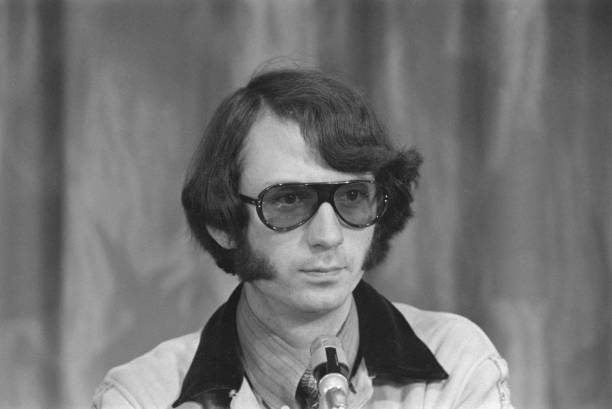
Michael Nesmith – one of The
Monkees, and a superb musician, singer and songwriter who sadly passed away a
few days ago. I started listening to his
albums in 1970 and have many but not all
of them, though a couple are still on order.
Magnetic South was his first post Monkees record and it couldn’t be more
different. It is almost pure country but
with a slight pop sensibility and a witty wordplay and a beautiful high ringing
voice. Magnetic South was
credited to The First National Band as Nesmith didn’t want to capitalise on his
Monkees persona. I’ve grown to love the
record over the years – the songs have a timelessness and seem pristine
compared to most of what was recorded in 1970.
‘Joanne’ was a minor hit but I also love ‘Calico Girlfriend’ and ‘
Beyond The Blue Horizon’. He followed
this the same year with Loose Salute, which fared even less well
commercially, which I don’t think bothered the contrary Nesmith at all. He had money from his time on the show and
never seemed to hanker after fame; he was looking for some sort of purity in
the songs and the sound, which I think he mostly achieved. Best on this one are ‘Thanks For the Ride’,
‘I Fall To Pieces’ and ‘Hello Lady’. Not
quite as good in my mind as magnetic South but it still sound good over 50
years later. 1971 saw his third release
as The First National Band – Nevada Fighter. Though this sunk even deeper it was I think
the best of his early three. The songs
seem better, even those Michael did not write.
It is again pure country but not really, there is a different vibe going
through the songs too. Top marks for a
song entitled ‘Propinquity’ – but I also like ‘Texas Morning’ and ‘Tumbling
Tumbleweed’ and Nesmith’s version of ‘Rainmaker’ by Harry Nilsson (see N). Prolific seems to be an understatement as the
first of 2 releases in 1972 was Tantamount To Treason. Credited to the Second National Band, the
album veers into new territory; there is still a country vibe but sound effects
and weird instrumentation and almost psychedelic moods pop up here and there. Not sure is it really works but the 3 new
members of the band maybe allowed Mike to experiment a bit. Best tracks are ‘She Thinks I Still Care’,
‘Rose City Chimes’ and ‘Lazy Lady’. Not
sure where Nesmith was going with this – but he has always forged his own
idiosyncratic path, seemingly oblivious to the demands of record company or
fans. Late 1972 saw a more traditional
Nesmith offering (and only credited to him this time) – And The HitsJust
Keep On Coming – which was a riposte to the record company’s repeatedly
ignored demands for a hit. Apparently
these were all songs Mike wrote while in The Monkees but never really recorded
until now. A sparse arrangement and an
acoustic feel dominate the record, which allows the haunting melancholy of his
voice to permeate. Some pretty good
songs again – ‘Distant Drum’, ‘The Upside of Goodbye’ and ‘Harmony Constant’
are superb. His last real country album
I suppose was his sixth – 1973’s Pretty Much Your Standard Ranch Stash. And this is almost his best – the songs
diverging from pure country into somewhere else where they simply exist. Best are ‘Winonah’, ‘Some Of Shelley’s Blues’
and ‘Prairie Lullaby’. Some may say
that these albums were pretty indulgent – certainly they sold poorly, which
seemed to bother Nesmith not at all.
Michael left his record company and dabbled with writing and film music
and got into music videos and related digital music as the years went by. I lost touch with him in some ways until I
caught up with a compilation entitled ‘The Newer Stuff’ but I also have an
early compilation of his first 6 albums called The Masters. No surprises but an excellent overview of
these early years. But The Newer
Stuff was a revelation. He was
branching out into a far more modern sound, multi-layered and sometimes
complex; the same haunting melodies and humour laden lyrics. This CD contains a handful of tracks from his
later albums and a few unreleased ones.
Best are, of course, the fabulous ‘Rio’ and ‘Carioca’ – but I also love ‘Total
Control’ and ‘Formosa Diner’. In fact,
this has grown into my favourite Nesmith record. I then went back and bought From a Radio
Engine To The Photon Wing (1977).
This had ‘Rio on but also ‘Casablanca Moonlight’ and the lovely whimsical ‘Navaho Trail’. There are still country influences but a
wider more modern sound too. A very nice
record. I followed that with Infinite
Rider On The Big Dogma (1979). All
the songs have single word titles – best are ‘Magc’, ‘Cruisin’ and ‘Carioca’. Again a more modern – almost disco – record. But likeable too. Finally I bought Tropical Campfires, a
late career release after a 13 year absence.
And a very subtle and quiet record; the vocals are remarkable and the
songs haunting and yet at the same time not quite so memorable. Mike also records
a couple of Cole Porter songs and a couple of writing collaborations. Not my very favourite record but still pretty
good. Best songs – ‘Brazil’, ‘Rising In
Love’ and ‘Moon Over The Rio Grande’.
Finally we have a live album from 1999 – Live at the Britt Festival. No surprises, but a pleasant career-spanning
look back on some lovely tunes. Sadly Michael
passed away a few days ago.
Alison Moyet – She of the
great bluesy contralto voice. She came
to fame as part of the duo Yazoo (see Y) with Vince Clarke. But after 2 albums Vince moved on and Alison
went solo. Her debut album Alf
(1984) was a brilliant concoction of powerful songs including a couple of hit
singles. My favourites are probably
‘Invisible’, ‘Twisting The Knife’ and ‘Love Resurrection’. A great start to a great career. Alison became the premier British female
vocalist after this record. She followed
up three years later with Raindancing, another superb album; a bit more
mature and a few more ballads but a great collection nevertheless. Best are ‘Weak In The Prescence Of Beauty’,
‘Is This Love’ and ‘Stay’. If anything,
a less commercial success but a classic album anyway. I did have her album Essex on vinyl and
cassette long ago but not on digital at present. She half retired to bring up her child and
returned in this century. Only one other
original album – Voice (2004) – has found its way onto my CD racks,
probably via a charity shop. Well, it is
another of those ‘Classic songs’ recorded with an orchestra. Okay in their way but they rarely improve on
the originals (see Nilsson N; who absolutely nailed this genre) – however I
barely know most of these songs so they sound okay – although I think her voice
is better on more up-tempo numbers. Still.
Not bad are Costello’s ‘Almost Blue’ and bonus track ‘Alfie’ which was of
course sung by Cilla way back in the day.
Better was1995 double CD Singles – which was of course her early singles,
including those with Yazzoo. My
favourites are ‘The First Time Ever I saw Your Face’ and ‘That Old Devil Called
Love and ‘Ode To Boy’. An excellent
collection. The other CD was a live
compilation which is also excellent – best ‘Is This Love’ and ‘Nobodys Diary’. Alison
is still making albums but I think I have quite enough thanks.
Jimmy Nail – was an actor
form the Northeast who achieved fame in the sitcom ‘Auf Weidershein Pet’. He became a sort of flavour of the month and
tried his hand at singing too. Not that
he is a bad singer at all, and he has quite a distinctive voice – but he was
never cut out to be a rocker and others were smoother and more soulful than him. I picked up his second, 1992’s Growing Up
In Public in a charity shop. It is
okay, quite soulful and well sung and produced but it doesn’t really hit the
spot for me. Tracks ‘Laura’ and ‘Only
love Can Bring Us Home’ are good songs but the rest just pass me by. Of course, he really hit paydirt with the TV
series Crocodile Shoes (1994) and the accompanying CD. Nail played a singer songwriter in the Americana
UK scene and sung the songs himself, almost all written by others. But a great collection of songs they
were. The whole album just rolls along – best are
the title track, ‘Only One Heart’ and ‘Cowboy Dreams’ (written by the great PMcAloon
of Prefab Sprout (see P). The album was
a huge hit, partly because of the TV series, and 2 years later after the second
series Jimmy released Crocodile Shoes 2. Another very enjoyable album, maybe not
such memorable songs as the original but pretty good. Best songs ‘Blue Roses’, ‘I’m A Troubled Man’
and opener ‘Country Boy’. And that is it
for Jimmy Nail really. I’ve not been
tempted since.
Graham Nash – once of The Hollies, the Manchester rivals to The Fabs, who never quite made it, possibly because they seemed incapable of changing their sound and seemed stuck in the pretty pop era. In ’68 he visited California, fell in love with Joni and harmonised with David Crosby (see C) – the rest is, as they say, History. He became a founder member of CSN and CSNY and recorded a few albums with David too. He was also, while the band was ‘resting’ releasing solo albums. The very best of which I think was his solo debut album Songs For Beginners (1971). Somehow creativity seems to come in bursts and Graham was invigorated by his new found groupmates and this album came out shortly after their debut. It really is a superb record; every song a winner and actually quite concise – 11 songs and under 35 minutes too. But you simply want to replay it as soon as it ends. From the opener ‘Military Madness’ to closer ‘We Can Change The World’ Graham doesn’t put a foot wrong. My favourites are ‘Be Yourself’, ‘Chicago’ and the beautiful ‘Sleep Song’. A superb album all round and a long-time favourite. Three years later and he released Wild Tales, a darker less melodic and more complex album which reflected the death of his lover Amy and the first (of many) break-ups of CSNY. After this he joined David Crosby (see C) and performed and made albums as a duo for a number of years. The album Wild Tales was never a real favourite, in fact I felt it was a disappointment after his debut – so it goes. On re-listening though it is not so bad at all. Best are ‘You’ll never Be The Same’ and ‘oh Camil’ and ‘Another Sleep Song’. Graham did release a handful of solo albums over the years – but you know how it is – there are just two many…But I did buy his latest retrospective from 2020 – a double Over The Years. No real surprises; a lot of well-known songs and a whole album of demo’s, which add zilch to the studio versions. Only one decent new sounding song ‘Cathedral’, but nice to hear a few old favourites again. I recently read Graham Nash’s autobiography – apparently The Hollies would have been as big as The Beatles if they has only listened to Graham Nash – and Crosy Stills Nash and Young too, if only it weren’t for Crosby, Stills and Neil Young. Oh well.